Checking the Support System Before You Buy a Used Manufactured Home
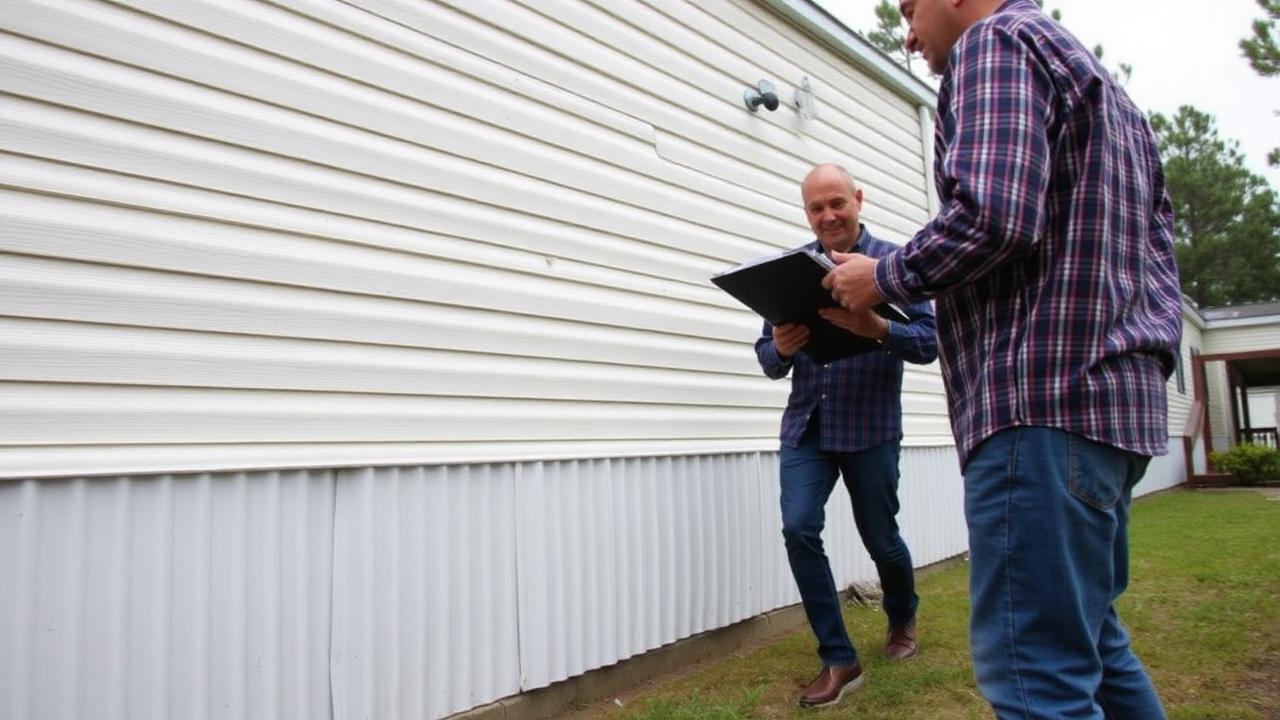
Here is the short answer. Before you buy a used manufactured home in the Nacogdoches area, get underneath it or hire someone who will. Interior paint and new flooring are the cheap parts of a flip. The piers, shims, beams, and anchors under the home decide whether it sits level, carries weight safely, and stays dry, and the crawlspace is exactly where a quick cosmetic renovation hides deferred support work. In a market with heavy rental turnover, like the one around Stephen F. Austin State University, that inspection is the difference between buying a solid home and buying someone else's settling problem.
Why the underside matters more than the interior
A used manufactured home can look excellent from the living room and be in genuine trouble six feet below it. The home rides on a steel frame carried by rows of piers, and every one of those piers depends on the soil directly beneath it. Cosmetics are cheap and fast. Support work is structural, and on Nacogdoches County's sandy loam over clay ground, support condition degrades quietly for years before anyone inside the home notices.
Remember also that every interior symptom of settling traces back to the support system. Doors that will not latch, windows that bind, floors that slope, and cracks where walls meet ceilings all start at the piers. If the home shows any of those signs, the cause is underneath, and that is where your inspection time should go.
What to look at under the home
Bring a bright flashlight, clothes you can crawl in, and a marble or a small level. Walk the perimeter first and read the skirting line, then go under and work from one end of the home to the other.
Piers
Look at every pier you can reach. You are checking for piers that lean, blocks that are cracked or crumbling, and piers that no longer touch the beam at all. A pier hanging below the beam with no contact is carrying nothing, which means the piers beside it are carrying its share. Count how many piers look original versus recently replaced: a scatter of new piers among old ones usually signals chronic settling rather than a single past fix.
Shims
Shims fill the gap between the top of each pier and the beam, and they should sit tight and solid. Red flags include rotted or crushed wood shims, improvised stacks of scrap material where proper shims belong, and gaps where shims have fallen out entirely. Rotted shims carry a second message: the crawlspace stays wet long enough to rot wood, which matters for everything else under there.
Beams and frame
The steel I-beams carry the whole home. Sight along each beam for sags between piers, and look for rust scale, kinks, or sections where the beam has bent around a failed support. Light surface rust is common in the humid piney woods and is not automatically a problem. Deep flaking rust and visible bending are.
Anchors and tie downs
Check that anchors exist, that straps actually connect the frame to them, and that the straps are tensioned rather than hanging slack. Missing or slack tie downs matter for wind safety on an exposed rural lot, and they also tell you about the home's history: a home with no anchoring at all was often set informally, and informal setups usually show in the piers too.
Moisture and drainage
Read the ground itself. Standing water, dark stained soil, moss or algae, and a musty smell all say water perches under the home after rain. On local sandy loam over clay lots this is common on shaded acreage, and it means the support system has cycled between soft and firm ground for years, which is exactly the condition that produces uneven settling.
The skirting line
Skirting is a report card for the frame. Buckled panels, gaps that open at one end of the home, and sections that no longer meet the ground evenly all track where the home has moved. Treat brand new skirting on an older home as a reason to look harder, not as a reassurance, because fresh panels can hide exactly the evidence you came to see.
Why turnover country demands a closer look
Around a university town, manufactured homes change hands as rentals and investment property far more often than as forever homes. Every turnover is a moment when maintenance gets deferred: between tenants, the visible problems get attention and the invisible ones wait. Support problems are invisible until they are advanced, so a home that has cycled through several tenants can carry years of unreported settling underneath fresh paint.
Homes that have been moved deserve extra scrutiny as well. Every move is a new setup on new ground, and a home on its second or third lot can carry setup shortcuts from each stop. Ask directly how long the home has sat on the current lot and whether it was leveled when it was set there.
Questions to ask the seller
- When was the home last releveled, and who did the work?
- Has any pier, beam, or anchor work been done, and is there paperwork for it?
- How long has the home been on this lot, and was it moved here from somewhere else?
- Has water ever stood under the home after rain?
- Are there soft spots, sticking doors, or sloping floors the seller already knows about?
The answers matter less than their specificity. A seller who knows when the home was last leveled and who did it has usually maintained the place. Vague answers pair poorly with the red flags you found underneath.
When to walk and when to budget for work
Not every support problem kills a deal. Loose shims, a few settled piers, and slack straps are routine corrections for a leveling contractor, and a home priced with its condition in mind can be a good buy. What changes the picture is extent: widespread pier failure, bent beams, or long term standing water point to a larger project, and what you find should inform either the price you offer or the decision to walk away.
Either way, decide with your eyes open. The worst outcome is discovering the support system after closing, when the correction belongs entirely to you.
Getting a professional set of eyes
If crawling under the home is not realistic, or if what you found leaves you unsure, a foundation and support inspection is the right next step. A contractor who levels manufactured homes for a living reads piers, shims, and beams in minutes, and can tell you whether the home needs a relevel, pier work, anchoring, or nothing at all. This site connects buyers and homeowners with independent local contractors who perform those inspections across the Nacogdoches area. Any evaluation and any work are performed by the contractor under their own licensing, insurance, and pricing.